About the Project
As Istanbul Medipol University Electrical-Electronics Engineering department, we successfully completed the development and testing process of the DAB+ ASA (Automatic Safety Alert) system, applied for the first time in Turkey.
In this project, led by Prof. Dr. Mehmet Kemal Özdemir and conducted with my teammate Yusuf Ünlü, we brought this advanced technology, which had only been tested in Germany in Europe until now, to our country.
This is not a class assignment or a proof-of-concept. We designed the system as a product expected to work in the field during a real disaster. For that reason, both broadcasting standards and the reliability expectations of commercial use were at the center of the design from the very start.
Key Features of the System
- Regional Targeting: Ability to send different audio and visual warnings simultaneously to different districts within a province.
- Fast and Reliable: Uninterrupted communication independent of GSM networks during disasters (earthquake, flood, fire).
- Visual and Audio Warning: Display of map, text, and visual warnings on radio screens.
- EWS Integration: Full compatibility with existing emergency infrastructures.
System Architecture and Design Philosophy
We built the system as a fully closed architecture from end to end. The diagram below shows the entire chain, from generating an alert to it reaching radio receivers:
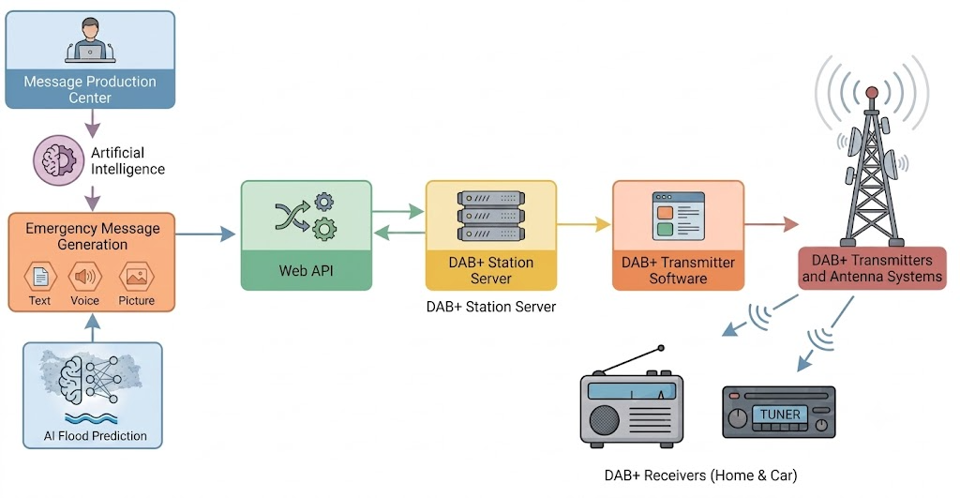
End-to-End Architecture: The message production center and the AI-powered flood prediction feed the generated text/voice/image alert through a Web API to the DAB+ station server and transmitter software, which then reaches home and car receivers via the antenna systems.
The system's only point of contact with the outside is the alert data received through a SOAP service at the input. Beyond that, the entire chain runs on its own, with no need for an external network. The generated alert is distributed at the output over three separate ports: it can connect directly to the broadcast tower or to the ADALM-Pluto SDR we used in field tests. This way, the same software runs both on real transmitter infrastructure and on a portable test setup without any changes.
Closed and Offline Design
For security reasons, we designed the whole system to run offline. The goal is for alerts to keep being generated and delivered without interruption, even if external networks collapse during a disaster.
- Single external input: Alert data received via a SOAP service at the input.
- Three output ports: Direct transmission to the broadcast tower or to the ADALM-Pluto SDR.
- Fully local operation: All components, including map generation and text-to-voice conversion, run locally without requiring any internet or cloud service.
- Continuity over local ports: Even if the external connection is cut entirely, the system keeps functioning when connected through local ports only.
Testing and Standards Compliance
Because we built it for real-world use, we set up the validation process accordingly. We ran the system end to end through a comprehensive test suite of 240 test cases. These tests were prepared to cover not only whether the function works correctly, but also compliance with the relevant technical standards and the reliability expected in commercial use. Error states, edge cases, and continuity requirements were each verified one by one.
Çamlıca Tower Test Process
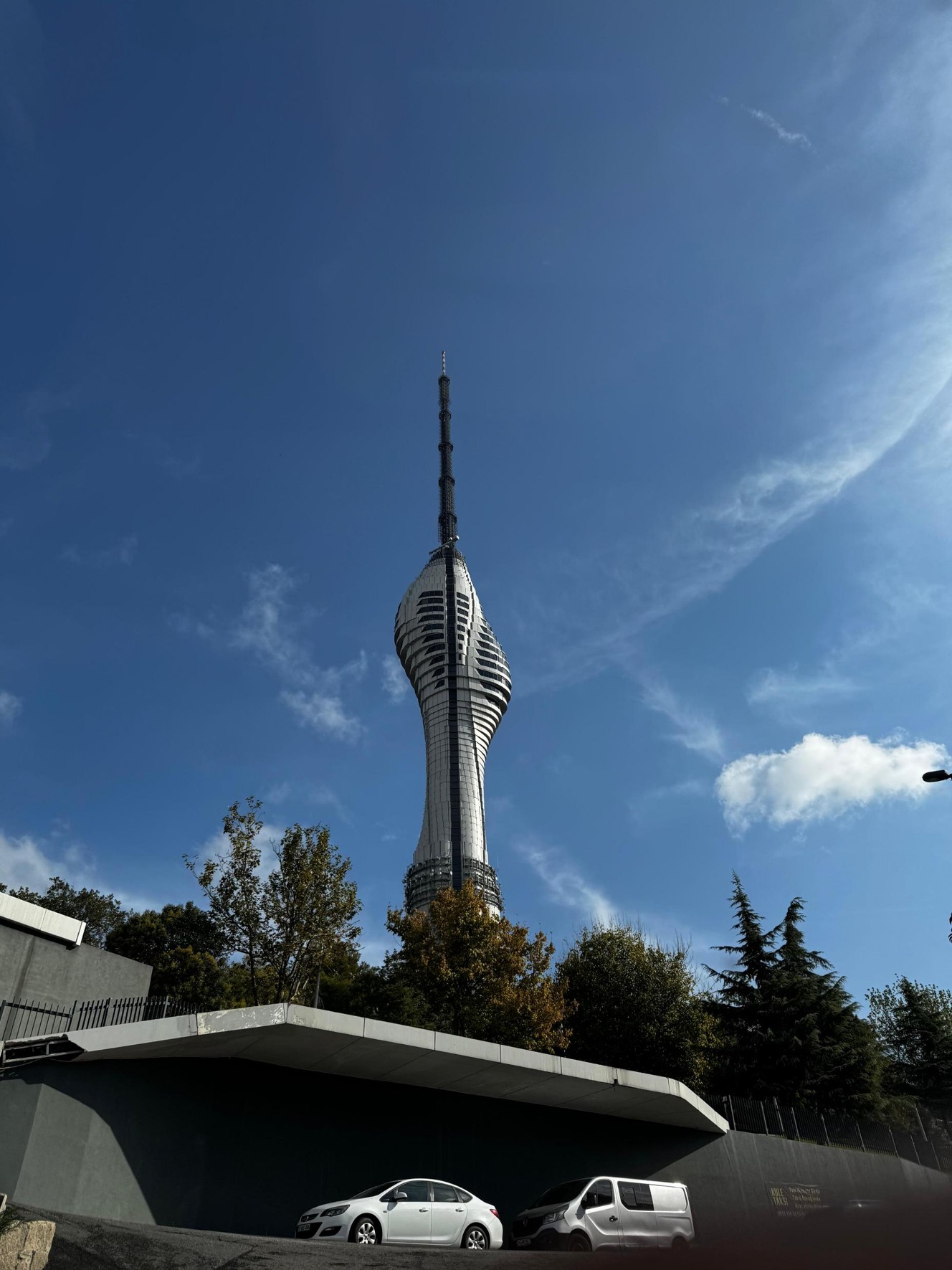
The demo test of the system was carried out at Çamlıca TV Tower, the broadcasting center of Istanbul. During the test process:
- Emergency scenarios were simulated.
- The system successfully transmitted the warnings and they were displayed on radio receivers.
- All components of the system (SDR, Software, Transmission) worked perfectly.
In the Press
Our success was reported on national and international platforms:
Gallery and Test Results
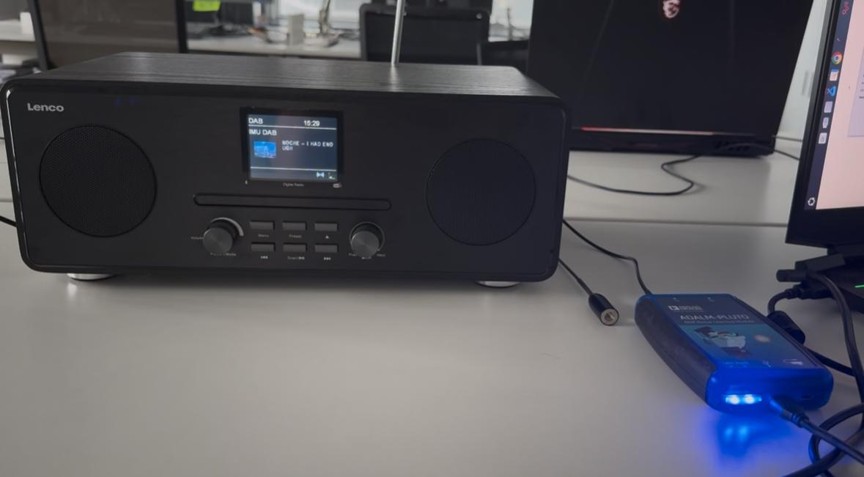
Real Receiver Test: Testing the broadcast made using ADALM-PLUTO SDR on a real DAB+ receiver.
Çamlıca TV Tower: Our tower visit and installation works for the test broadcast.
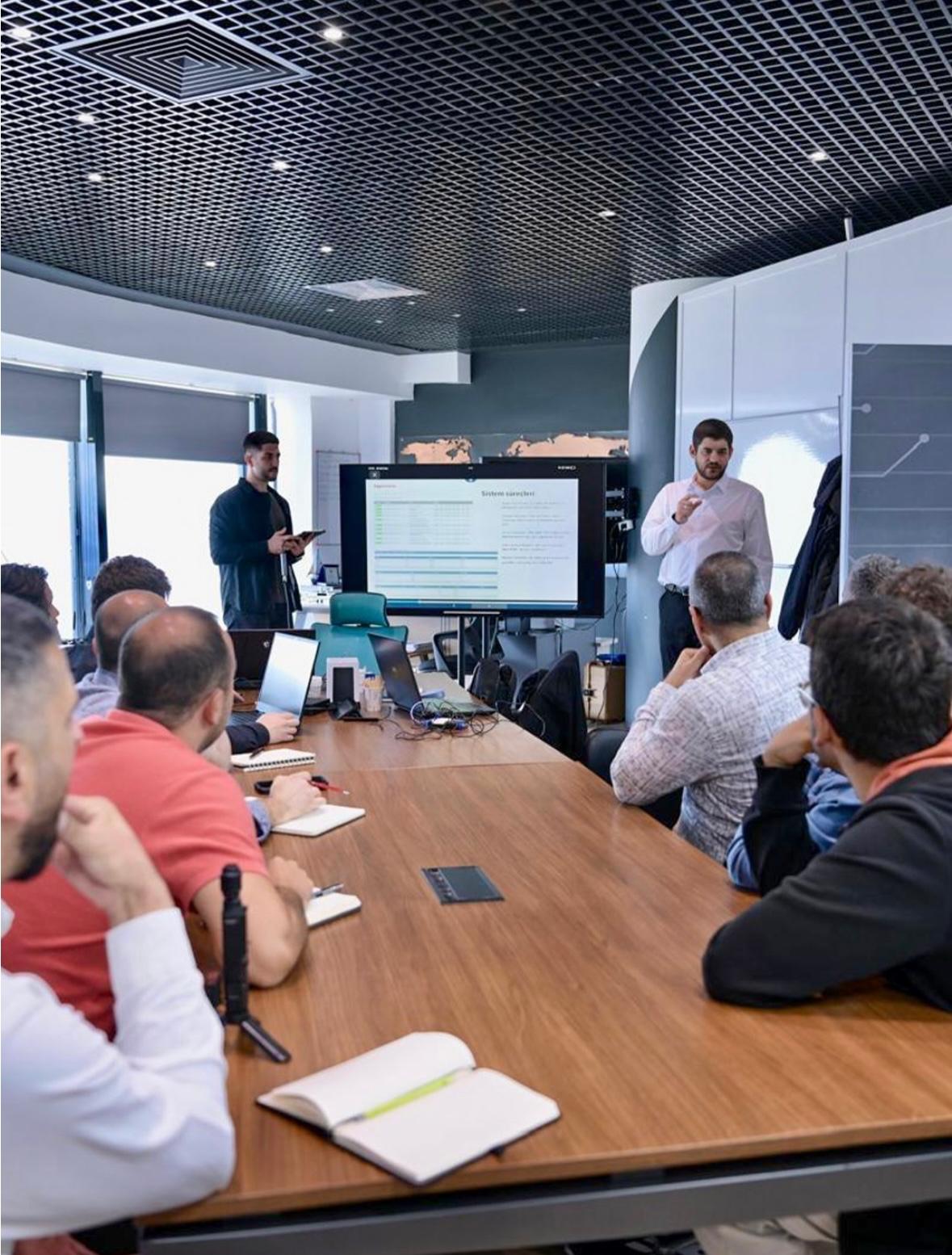
Project Presentation: A shot from the presentation where we walked stakeholders through the system architecture and test results.
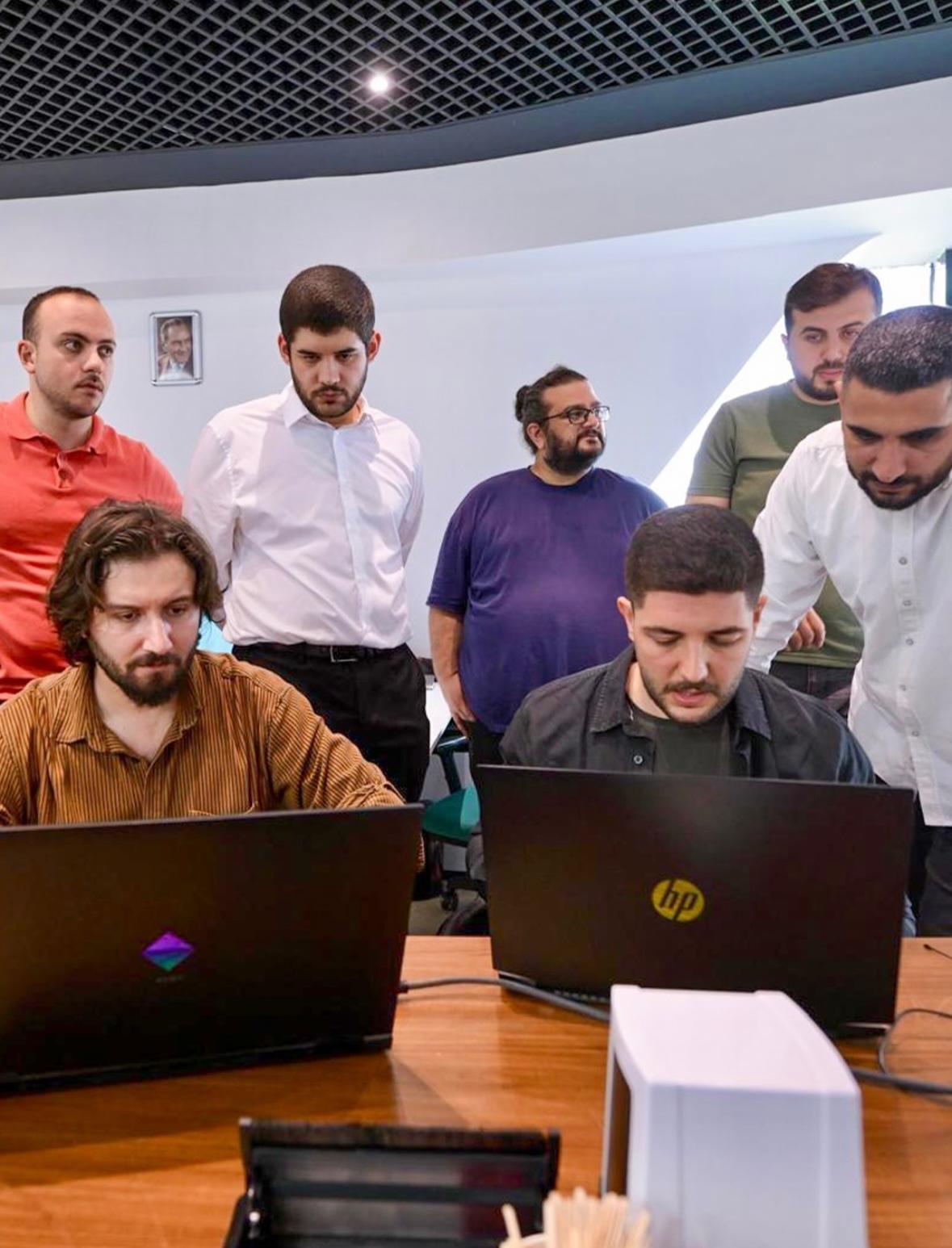
Development Team: Our team reviewing the system's results together.
Test Broadcast: A section from the test broadcast reaching people.